
High above the forest floor in northern Costa Rica, a network of suspension bridges lets visitors walk through the canopy of one of the most biodiverse ecosystems on the planet. The Monteverde hanging bridges give travelers a bird’s eye view of the cloud forest, a perspective that ground-level trails simply cannot offer. This guide covers everything a first time visitor needs to know: what the bridges are, where to find them, what to expect during the walk, and how to plan a safe, memorable visit.
The Monteverde hanging bridges are a series of suspended pedestrian walkways built through the treetops of the Monteverde Cloud Forest. Engineers anchor steel cables between towers and platforms, and the bridges connect forest trails so visitors can move through the upper canopy instead of only walking beneath it. Locals and tour operators also call this activity canopy walkways, suspension bridges, or treetop walkways. All four terms describe the same basic experience: crossing elevated bridges that put you level with the tree crowns, epiphytes, and wildlife that live far above the ground.
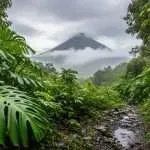
Monteverde sits along the Continental Divide in the Tilarán mountain range, where warm air rising from both the Caribbean and Pacific coasts condenses into a near constant mist. That moisture feeds an unusually dense cloud forest, packed with orchids, bromeliads, and mossy branches. Walking the bridges puts visitors inside that mist layer, often with fog drifting across the walkway itself.
Costa Rica’s hanging bridge concept began in Monteverde in 1997, when the original Sky Walk opened as one of the first canopy walkway systems in Central America. The idea was simple but new at the time: instead of observing the rainforest canopy from a fixed tower, let visitors walk through it on a connected trail. The concept proved popular, and additional parks built their own bridge systems over the following two decades. Today, Monteverde has four separate places to experience hanging bridges, each with its own trail layout, bridge count, and forest type.
Four parks currently operate hanging bridge circuits in the Monteverde area. Each one sits in a different type of forest and offers a distinct combination of scenery, wildlife, and trail difficulty.
Selvatura operates the widest bridge system in Monteverde, built through primary cloud forest next to the Santa Elena Biological Reserve. The circuit covers roughly 3 kilometers of trail and crosses eight bridges, with the longest span stretching about 170 meters and the highest point reaching close to 60 meters above the forest floor. Each bridge measures about 1.22 meters wide and can hold dozens of walkers at once. Selvatura is certified by Costa Rica’s Federated College of Engineers and Architects, and the bridge floors use pendulum and tensioner technology to keep the structures stable in wind. The full walk takes roughly one to two hours at a relaxed pace, with benches placed along the route for anyone who wants to rest or watch for wildlife.
Sky Walk, operated by Treetopia Park, holds the record for the longest single bridge in Costa Rica: a 236 meter span connecting two mountainsides. The park offers six bridges arranged into two trail loops, a short loop with four bridges and a longer loop that includes all six. That layout makes Sky Walk a practical choice for families with young children or anyone who prefers a shorter walk, since visitors can decide partway through whether to continue to the second loop. The full circuit covers about 2.5 kilometers and takes roughly 1.5 to 2 hours, while the short loop takes closer to an hour.
Aventura’s hanging bridges sit in a reforested section of the Monteverde area rather than untouched primary forest, which changes the wildlife viewing experience. Because the park borders both younger and older forest, animals that move between the two zones are easier to spot here than at the more heavily visited parks. Aventura includes a naturalist guide with every hanging bridge ticket, and the guided walk across eight bridges and 3 kilometers of trail takes about two hours.
The original Monteverde reserve has only one hanging bridge, located about a kilometer from the entrance along the Bosque Nuboso trail. Visitors who want an extensive trail network with many hiking options, rather than a dedicated bridge circuit, often choose the reserve for its scientific reputation and its role as the birthplace of Monteverde’s conservation movement. It is not the right choice for anyone specifically looking for a multi bridge canopy walk.
Regardless of which park a visitor chooses, the physical experience of crossing a hanging bridge follows a similar pattern. The trail alternates between solid ground sections through the forest understory and elevated bridge crossings that rise well above the tree line. Some bridges sway gently underfoot, a normal part of the engineering that allows the structure to flex with wind rather than resist it rigidly. Trails connecting the bridges are generally well maintained, though sections near Selvatura can climb steeply in places.
Weather changes quickly at this elevation. Mist can roll across a bridge in minutes, sometimes limiting visibility to a few meters and other times parting to reveal a clear view of the canopy below. Many visitors describe this shifting fog as one of the most memorable parts of the walk, since it creates a genuine sense of walking through the clouds.
The Monteverde cloud forest hosts an extraordinary range of species, though sightings are never guaranteed on any single walk. Birdwatchers often come specifically hoping to spot the resplendent quetzal, a brightly colored bird considered one of the most sought after sightings in Central America. Howler monkeys are also commonly heard, and occasionally seen, moving through the canopy near the bridges. Sloths, though harder to spot due to their stillness and camouflage, live throughout the reserve system. Because most Monteverde wildlife is more active after dark, roughly 80 percent by some estimates, daytime hanging bridge walks tend to favor birds and insects over mammals, while guided walks with a naturalist improve the odds of spotting anything at all.
Early morning departures, typically the first slot of the day, tend to offer the calmest weather and the best wildlife activity before crowds build up. Afternoon mist is common throughout the year, which can either enhance the atmosphere or reduce visibility depending on a visitor’s preference. Costa Rica’s dry season, from December through April, brings the largest number of visitors and the clearest average conditions, while the green season from May through November sees fewer tourists and lush, active vegetation, along with a higher chance of rain showers.
Most hanging bridge circuits in Monteverde take between one and two hours to complete, depending on the park and pace. Shorter loop options, such as the one available at Sky Walk, can be finished in about an hour, which makes the activity manageable for families traveling with young children or older adults who prefer not to commit to a longer walk.
The hanging bridges are engineered structures inspected regularly, and serious incidents are rare when visitors follow posted rules. Standard park guidelines typically prohibit running, jumping, or intentionally rocking the bridges, and ask visitors to stay on marked paths at all times. Closed toe shoes are strongly recommended given the uneven terrain and occasional wet surfaces. A light rain jacket is worth packing regardless of season, since cloud forest weather shifts quickly. Binoculars add real value here, since many wildlife sightings happen at a distance in the high canopy. Visitors with mobility concerns should ask each park directly about trail grades and stair sections before booking, since terrain varies meaningfully between the four options described above.
Entrance fees vary by park and change from season to season, so it is worth checking current rates directly with each operator before a trip. As a general guide, adult admission across the four Monteverde parks tends to fall in the mid to high forty dollar range, with discounts commonly offered for students, children, and Costa Rican residents. Guided options, such as the naturalist led walk at Aventura, are typically priced to include the guide rather than sold as an optional add-on. Most parks also offer combination tickets that bundle the hanging bridges with a zip line canopy tour, a butterfly garden, or a sloth exhibit, which can reduce the overall per activity cost for visitors planning a full day at one location.
Reservations are strongly recommended for all four parks, particularly during the December through April dry season when tour buses bring large volumes of cruise ship passengers and package tourists through Monteverde. Morning slots, generally the first departure of the day, sell out first because they combine the best weather with the best wildlife activity. Same day walk-up tickets are sometimes available in the off season, but travelers on a tight schedule should not count on it. Many hotels and local tour desks in Santa Elena and Monteverde can arrange hanging bridge tickets alongside transportation, which removes the need to rent a car or arrange a taxi to the more remote park entrances.
Monteverde sits roughly three hours from both the Juan Santamaría International Airport near San José and the Daniel Oduber International Airport near Liberia, though the exact drive time depends heavily on road conditions. The final stretch of road into Monteverde and Santa Elena includes unpaved sections, so many visitors choose a shared shuttle or private transfer rather than a standard rental sedan. Selvatura and the Monteverde Cloud Forest Biological Reserve sit further along the road toward Santa Elena Reserve, while Sky Walk and Aventura are positioned closer to town, which can factor into transportation planning for visitors without a rental vehicle.
Because entrance to a hanging bridge park is typically sold separately from other attractions, many visitors pair the walk with a zip line canopy tour, a guided night walk to spot nocturnal wildlife, or a visit to a butterfly garden or reptile exhibit, several of which operate alongside the bridge parks themselves. Travelers approaching Monteverde as part of a broader Costa Rica itinerary often combine it with time in Arenal and La Fortuna, home to the Arenal Volcano, natural hot springs, and their own network of hanging bridges through tropical rainforest rather than cloud forest. Local operators such as Ecoterra Costa Rica run guided hanging bridge tours in the Arenal region for travelers who want a similar canopy walk experience closer to the volcano.
The Monteverde hanging bridges remain one of the defining ways to experience Costa Rica’s cloud forest, offering a canopy level view of a landscape most visitors would otherwise only see from below. Whether the priority is dramatic scenery at Selvatura, the record setting bridge at Sky Walk, guided wildlife spotting at Aventura, or the historic single bridge inside the original reserve, the four parks give travelers a genuine choice based on interests, fitness level, and time available. Booking a morning slot, dressing for shifting weather, and staying alert for movement in the canopy will make the most of a walk that consistently ranks among the top things to do in Monteverde.
Yes, the hanging bridges are engineered structures that undergo regular inspection and certification. Parks such as Selvatura hold certification from Costa Rica’s Federated College of Engineers and Architects, and bridges use pendulum and tensioner systems designed to flex safely under wind and foot traffic. Following posted rules, such as staying on marked paths and not rocking the bridges, keeps the walk safe for nearly all fitness levels.
The number varies by park. Selvatura and Aventura each operate eight bridges, Sky Walk operates six bridges across two trail loops, and the Monteverde Cloud Forest Biological Reserve has just one bridge along its main trail system. There is no single “Monteverde hanging bridges” location; visitors choose among four separate parks.
Most circuits take between one and two hours to complete. Shorter loop options, such as the four bridge loop at Sky Walk, can be finished in about an hour, making the activity accessible for families with young children.
There is no single best answer, since each park emphasizes something different. Selvatura is generally considered the most scenic option since it sits inside primary virgin cloud forest. Sky Walk offers the longest bridge in Costa Rica along with a shorter loop option for families. Aventura pairs the walk with a naturalist guide and better odds of spotting wildlife due to its location between reforested and old growth areas.
Yes, children can walk the hanging bridges, and several parks are well suited to families. Sky Walk’s shorter loop is often recommended for young kids since it shortens the total walking time to about an hour. Strollers generally cannot navigate the stairs and ramps found on most trail systems, so parents traveling with infants or toddlers typically use a carrier backpack instead.
Sightings vary by visit, but the cloud forest is home to the resplendent quetzal, howler monkeys, sloths, and a wide range of birds and insects. Early morning walks and guided tours with a naturalist generally offer better chances of spotting wildlife than a self guided midday walk, since much of the forest’s animal life is more active at dawn or after dark.

With a passion for tropical wildlife and sustainable tourism, Emily brings the magic of Costa Rica directly to her readers. She spends her time exploring the hidden waterfalls, cloud forests, and diverse ecosystems surrounding La Fortuna. Emily’s mission is to share insider travel tips that help guests connect authentically with local culture and nature.
 Venado Caves Tour in Costa Rica: 10 Facts, Tickets, Price and What to Expect
 Rain or Shine: Things to Do in Arenal on a Rainy Day
 Best Time to Travel to Costa Rica: A Complete Month-by-Month Guide for 2026 and 2027
 Off Season Costa Rica: When to Go, What to Expect, and How Much You’ll Save
 Discovering the Wonders of Arenal Volcano National Park with Ecoterra
