
Costa Rica is famous for its rainforests, cloud forests, volcanoes, and remarkable wildlife, but some of its most valuable natural areas are places where conservation comes before mass tourism. The Children’s Eternal Rainforest is one of those places.
Located across the mountainous region between Arenal and Monteverde, the reserve protects an extensive area of tropical and cloud forest and provides habitat for an extraordinary variety of plants, birds, mammals, insects, and other wildlife. It is also an important conservation story because its creation was supported by children from around the world.
For travelers interested in nature, hiking, wildlife, and sustainable travel, visiting the Children’s Eternal Rainforest offers an opportunity to experience a less-developed side of Costa Rica.
The Children’s Eternal Rainforest, also known as Bosque Eterno de los Niños, is a protected forest reserve associated with the Monteverde Conservation League.
The conservation project began in the late 1980s after children from different countries helped raise money to protect threatened rainforest in Costa Rica. What began as an international children’s conservation effort eventually became one of the country’s most important private forest reserves.
The reserve protects approximately 22,000 hectares (54,000 acres) of forest, according to Costa Rica’s official tourism information. It forms part of an important protected landscape connecting the Arenal and Monteverde regions.
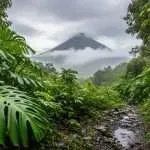
Unlike highly developed attractions with extensive visitor infrastructure, parts of the Children’s Eternal Rainforest provide a much more natural forest experience. Visitors can encounter dense vegetation, mountain terrain, streams, waterfalls, volcanic features, and wildlife while hiking through protected habitat.
The Children’s Eternal Rainforest extends through the mountainous area around Monteverde and Arenal.
Different access points provide different experiences. Among the better-known areas are Pocosol Station, San Gerardo Station, and Bajo del Tigre. Each area has its own landscape, trails, elevation, and wildlife opportunities.
For travelers staying around La Fortuna, Pocosol provides an opportunity to explore the reserve from the Arenal side. Ecoterra’s rainforest excursion, for example, travels from La Fortuna to Pocosol Station by 4×4 vehicle before beginning the hike.
This geographic position also makes the reserve interesting for travelers building an itinerary that combines La Fortuna, Arenal Volcano, and Monteverde.
The reserve is more than a hiking destination. Its greatest importance is ecological.
Costa Rica’s tropical forests provide habitat for thousands of species while helping maintain watersheds, soil health, carbon storage, and ecological connectivity. Large protected forests also allow animals to move between habitats rather than becoming isolated in small fragments.
The Children’s Eternal Rainforest contributes to this larger conservation landscape by protecting extensive areas of forest between major tourism destinations.
Its history is equally important. The reserve demonstrates how conservation can grow from international cooperation, education, and community support rather than relying only on government protection.
For visitors, this means that a rainforest hike can also be an opportunity to understand why protecting Costa Rica’s forests matters.
One of the biggest reasons travelers visit the reserve is the opportunity to experience Costa Rica’s wildlife in a protected natural environment.
Wildlife sightings are never guaranteed because animals move freely through the forest. However, the reserve provides habitat for a wide range of species.
Depending on the area and conditions, visitors may encounter:
The broader reserve ecosystem supports an impressive diversity of mammals and birds, while its forests are also home to hundreds of butterfly species.
Birdwatchers may find the area particularly rewarding because different elevations and forest types create habitat for numerous bird species.
No—and that is part of visiting a genuine rainforest.
The Children’s Eternal Rainforest is not a zoo or wildlife park. Animals are wild, mobile, and often difficult to spot beneath dense vegetation.
A patient approach can make a major difference. Moving quietly, looking carefully into the canopy and understory, and traveling with someone familiar with the forest can improve your chances of noticing wildlife.
Even when large animals remain hidden, the forest itself provides plenty to observe, from fungi and insects to orchids, bromeliads, vines, mosses, and towering trees.
Hiking is one of the best ways to experience the reserve because the forest changes as you move through different elevations and habitats.
Trail conditions vary depending on the access point. Some areas offer relatively accessible trails, while other routes involve longer hikes, uneven terrain, slopes, and wet conditions.
The Pocosol area provides a particularly immersive rainforest experience. The Ecoterra excursion from La Fortuna includes approximately 7 km (4.3 miles) of hiking and around three hours on the trail, with sights including primary forest, volcanic features, a lagoon, and Pocosol Waterfall.
If you’re planning a visit, don’t assume that every trail in the reserve has the same difficulty. Check the specific entrance, route, distance, and conditions before setting out.
Pocosol Station is one of the notable access points on the Arenal side of the Children’s Eternal Rainforest.
The station is located in mountainous rainforest at roughly 1,100 meters above sea level. The surrounding environment includes primary forest, volcanic features, and abundant vegetation.
One of the highlights of the route is Pocosol Waterfall, which drops approximately 50 meters (165 feet). Visitors can also encounter a volcanic lagoon and fumaroles along the route.
For travelers based in La Fortuna, this makes Pocosol an appealing option for experiencing a more remote rainforest environment beyond the area’s better-known attractions.
The Children’s Eternal Rainforest can be visited throughout the year, but weather conditions can significantly influence the hiking experience.
Costa Rica’s rainy season brings more moisture to the forest, which can mean muddy trails, slippery surfaces, streams with higher water levels, and heavier rainfall. At the same time, wet conditions contribute to the lush vegetation that makes the rainforest so impressive.
During relatively drier periods, hiking conditions may be easier, but visitors should still be prepared for rain because mountain weather can change quickly.
For any rainforest hike, it is sensible to carry a rain jacket or raincoat and wear footwear with good traction.
A rainforest hike requires slightly different preparation from a typical city or beach excursion.
Consider bringing:
Ecoterra’s current Pocosol excursion specifically recommends hiking shoes, comfortable clothing, insect repellent, sunscreen, a raincoat, binoculars, a hat, and a camera.
Avoid carrying unnecessary valuables or bulky equipment. A lighter backpack will make longer hikes much more comfortable.
It can be an excellent educational experience for families who enjoy nature, but the suitability depends on the particular trail.
Some areas of the reserve have relatively accessible trails, while longer rainforest hikes can be physically demanding. For example, Ecoterra’s Pocosol expedition requires good physical condition and has a minimum age requirement of 8 years, with children required to travel with an adult.
Families should therefore choose the entrance and hiking route based on the ages, fitness levels, and interests of everyone in the group.
For younger children or travelers who prefer easier walks, a shorter and more accessible rainforest trail may be a better choice than a long expedition.
The Children’s Eternal Rainforest and Monteverde’s famous cloud forests are closely connected geographically and ecologically, but they are not identical experiences.
The Monteverde Cloud Forest Reserve is one of Costa Rica’s best-known visitor attractions, with established tourism infrastructure and popular trails.
The Children’s Eternal Rainforest places greater emphasis on conservation and protected forest ecosystems. Some access points feel much more remote and wild, with fewer visitor facilities.
That makes the choice depend on what you want from your trip.
If you’re looking for a famous cloud-forest experience with established trails and facilities, Monteverde may be the more convenient option.
If you want a deeper rainforest experience and are interested in conservation, biodiversity, and less-developed forest environments, the Children’s Eternal Rainforest can be particularly rewarding.
There are several reasons to add the reserve to a Costa Rica itinerary:
1. Experience protected rainforest
You can walk through forest that is protected for its ecological importance.
2. Look for Costa Rican wildlife
The reserve provides habitat for numerous mammals, birds, insects, and other species.
3. Learn about conservation
Its history shows how international cooperation helped protect Costa Rican forests.
4. Enjoy a quieter nature experience
Some areas are significantly less developed than Costa Rica’s most heavily visited attractions.
5. Explore the Arenal–Monteverde region
The reserve fits naturally into an itinerary connecting La Fortuna and Monteverde.
The best experience depends on where you are staying and what type of adventure you want.
Travelers staying in La Fortuna can consider visiting the Pocosol area, while those based around Monteverde can explore access points on that side of the reserve.
For visitors who want a guided experience from La Fortuna, Ecoterra offers a Children’s Eternal Rainforest Jungle Expedition that includes transportation, an experienced bilingual guide, entrance, lunch, and a rainforest hike. The current tour itinerary describes a 7 km trail through the Pocosol area with opportunities to see wildlife and natural features such as the waterfall and volcanic landscape.
If you’re interested in experiencing the reserve from La Fortuna, you can learn more about Ecoterra’s Children’s Eternal Rainforest Jungle Expedition.
The Children’s Eternal Rainforest is a reminder that Costa Rica’s most valuable travel experiences are often connected to conservation.
Walking beneath the rainforest canopy, listening for birds, watching monkeys move through the trees, or discovering plants growing along the trail can make the forest feel like an adventure. But behind that experience is decades of work to protect the habitat.
That is what makes this destination different from a conventional sightseeing attraction.
You are not simply visiting a forest—you are visiting a protected ecosystem that represents one of Costa Rica’s most successful conservation stories.
The Children’s Eternal Rainforest is located in Costa Rica’s mountainous Arenal–Monteverde region. It includes different access areas, including Pocosol, San Gerardo, and Bajo del Tigre.
Visitors may encounter animals such as howler monkeys, coatis, agoutis, peccaries, sloths, and numerous bird species. Wildlife sightings are never guaranteed because the animals live freely in the forest.
No. They are separate protected areas in the broader Monteverde region, although they are part of the same important forest landscape. The Children’s Eternal Rainforest covers a much larger protected area and includes several different forest environments.
Wear comfortable clothing and sturdy hiking shoes. A rain jacket, insect repellent, sunscreen, and a hat are also useful because rainforest weather can change quickly and trails may become wet.
Yes, but the appropriate experience depends on the trail and the ages and fitness levels of the travelers. Some trails are relatively accessible, while longer routes can be physically demanding. Ecoterra’s Pocosol expedition currently requires participants to be at least 8 years old and in good physical condition.
The Children’s Eternal Rainforest in Costa Rica offers much more than a rainforest hike. It combines biodiversity, wildlife, hiking, volcanic landscapes, and an inspiring conservation history.
For travelers who want to move beyond the most popular tourist attractions and experience Costa Rica’s forests more deeply, this protected area deserves a place on the itinerary.
Whether you’re exploring from La Fortuna or approaching the reserve from the Monteverde side, take time to appreciate not only what you can see along the trail but also the conservation work that makes the forest possible.

With a passion for tropical wildlife and sustainable tourism, Emily brings the magic of Costa Rica directly to her readers. She spends her time exploring the hidden waterfalls, cloud forests, and diverse ecosystems surrounding La Fortuna. Emily’s mission is to share insider travel tips that help guests connect authentically with local culture and nature.
 Venado Caves Tour in Costa Rica: 10 Facts, Tickets, Price and What to Expect
 Rain or Shine: Things to Do in Arenal on a Rainy Day
 Best Time to Travel to Costa Rica: A Complete Month-by-Month Guide for 2026 and 2027
 Off Season Costa Rica: When to Go, What to Expect, and How Much You’ll Save
 Discovering the Wonders of Arenal Volcano National Park with Ecoterra
